

POLYPROBLEM-Report – The Waste of Others
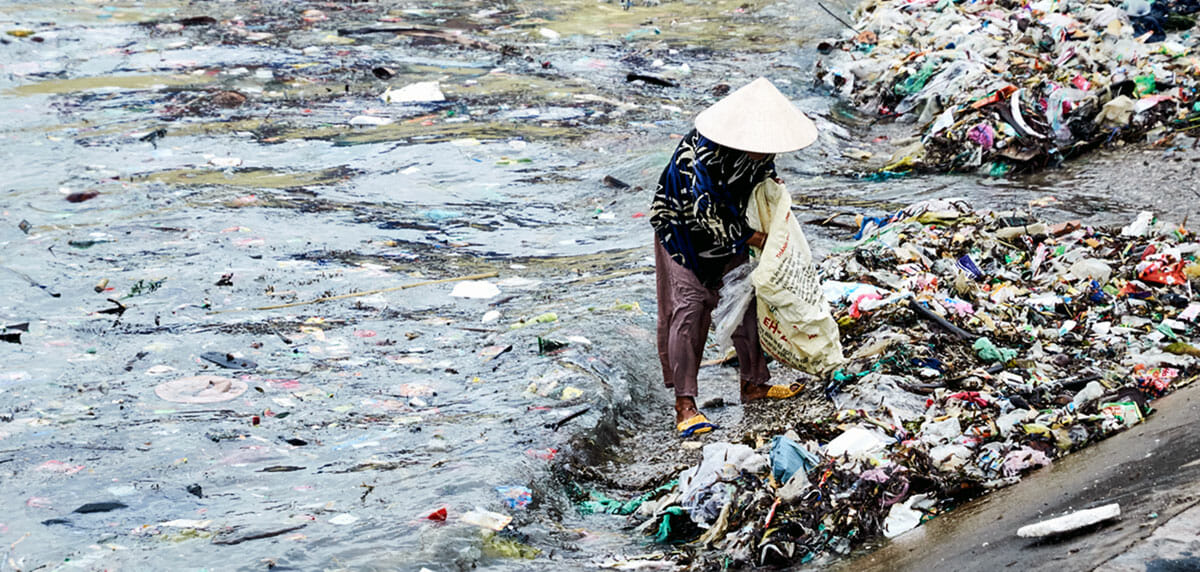
The POLYPROBLEM Report of the Röchling Foundation and Wider Sense The Waste of Others About the responsibility for the flood of plastic in Asia More than half of the plastic waste in the oceans is released into the environment from five Asian countries. And this despite the fact that the emerging and developing countries use much less plastic per capita of their population than the industrialized nations. The reason for the massive emissions is the predominantly inadequate waste management systems in the Global South. The new POLYPROBLEM Report by the Röchling Foundation and Wider Sense takes a close look at the omissions and opportunities. International comparative figures show it clearly: With increasing prosperity, the consumption of plastics is rising. However, waste management in developing regions is not growing at the same pace. If this development continues and the gap widens, the world will only be at the beginning of the plastic problem – regardless of the enormous public attention to the subject. In their new POLYPROBLEM Report “THE WASTE OF OTHERS”, the non-profit Röchling Foundation and the consulting firm Wider Sense have comprehensively examined why it has not yet been possible to establish a nationwide waste management system as a basis for recycling and circular waste management in emerging and [...]
POLYPROBLEM – The Stakeholder Dialogue
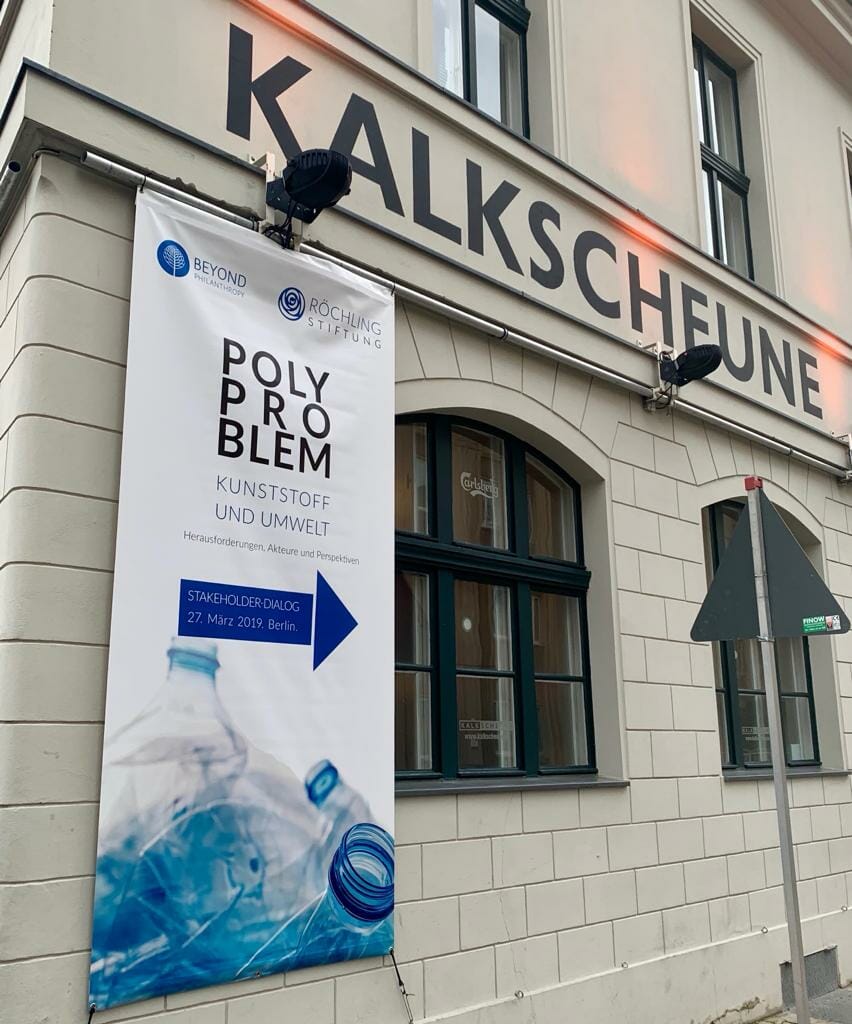
POLYPROBLEM – The Stakeholder Dialogue Joining forces. Developing solutions together vs. launching individual projects. Combining the possibilities of business, science and civil society. Guided by the concept of Collective Impact, some 150 experts met at the invitation of Wider Sense (formerly Beyond Philanthropy) and the Röchling Foundation in Berlin, this March. The response to this event exceeded all expectations. Uwe Amrhein, Foundation Manager of the Röchling Foundation warmly welcomed all guests from politics, foundations, education and industry as comrades-in-arms, revealing the major aim of this event: Namely, bringing together structured ideas on how to approach a solution to the POLYPROBLEM of plastic and environment in a first step, followed by the aim to sediment first ideas for joint formats, tools and places all in style of the greater concept of Collective Impact. Uwe Amrhein welcoming the #stakeholders at our dialogue #plastic and #environment, #POLYPROBLEM @BePhilanthropy pic.twitter.com/ViM12fSCB8 — Röchling Siftung (@RoechlingST) March, 27 2019 With his lecture on The Age of Plastics, Dr. Franz Mauelshagen from the University of Duisburg, Center of Global Cooperation Research gave a historic head start into the day. He highlighted the history of an artificial material whose global distribution has become symbolic of an anthropocene - an age in which mankind has become a relevant factor for [...]
Students from all over the Globe Start a Joint Research Program
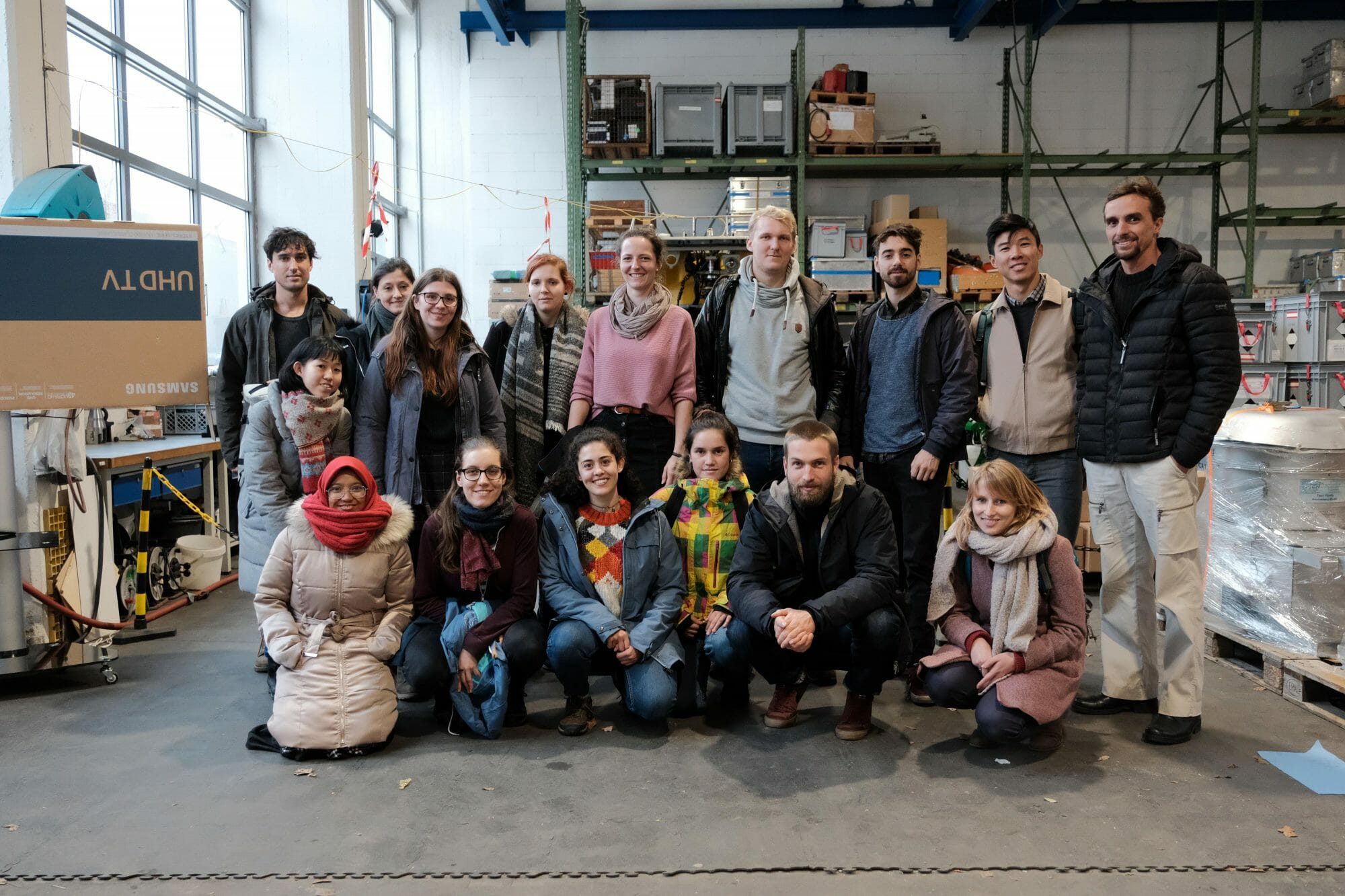
Welche Auswirkungen hat Mikroplastik auf Meeresorganismen? Das ist die zentrale Forschungsfrage im Rahmen des Forschungs- und Ausbildungsprogramms GAME am GEOMAR Helmholz-Zentrum für Ozeanforschung Kiel. 17 Studierende aus neun verschiedenen Ländern arbeiten gemeinsam daran. Die Röchling Stiftung unterstützt das Programm und war beim Auftakt in Kiel dabei.

POLYPROBLEM – A Study by the Röchling Foundation and Wider Sense
Trotz der enormen öffentlichen Aufmerksamkeit für die fortschreitende Umweltbelastung durch Plastikabfälle ist eine globale Agenda zur Lösung des Problems nicht in Sicht. Das ist der kritische Befund eines Policy-Papers, das die Röchling Stiftung und Beyond Philanthropy jetzt gemeinsam unter dem Titel POLYPROBLEM veröffentlicht haben.
Interview with Dr. Federica Bertocchini
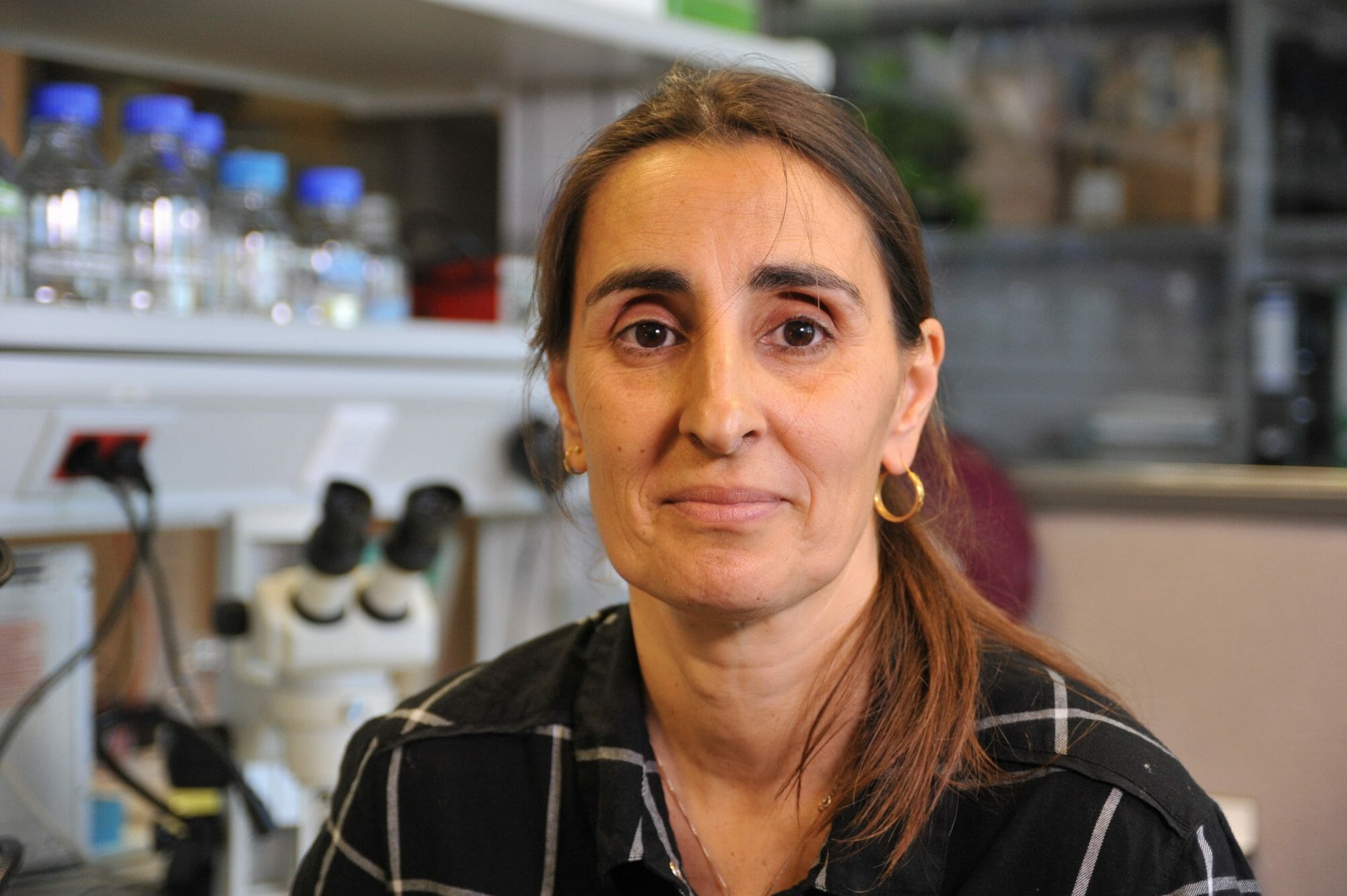
In April 2017, the scientist Dr. Federica Bertocchini and her colleagues Paolo Bombelli und Christopher J. Howe published a discovery in the Spanish magazine „Current Biology“, that received great public attention: By chance, the discovered that the Galleria mellonella can biodegrade polyethylene. Polyethylene and polypropylene represent about 92 percent of global plastic production – and up to now, they are almost impossible to biodegrade. Dr. Federica Bertocchini gladly answered our questions on her promising discovery regarding the fight against plastic pollution.